 admin@technicalrvijay.com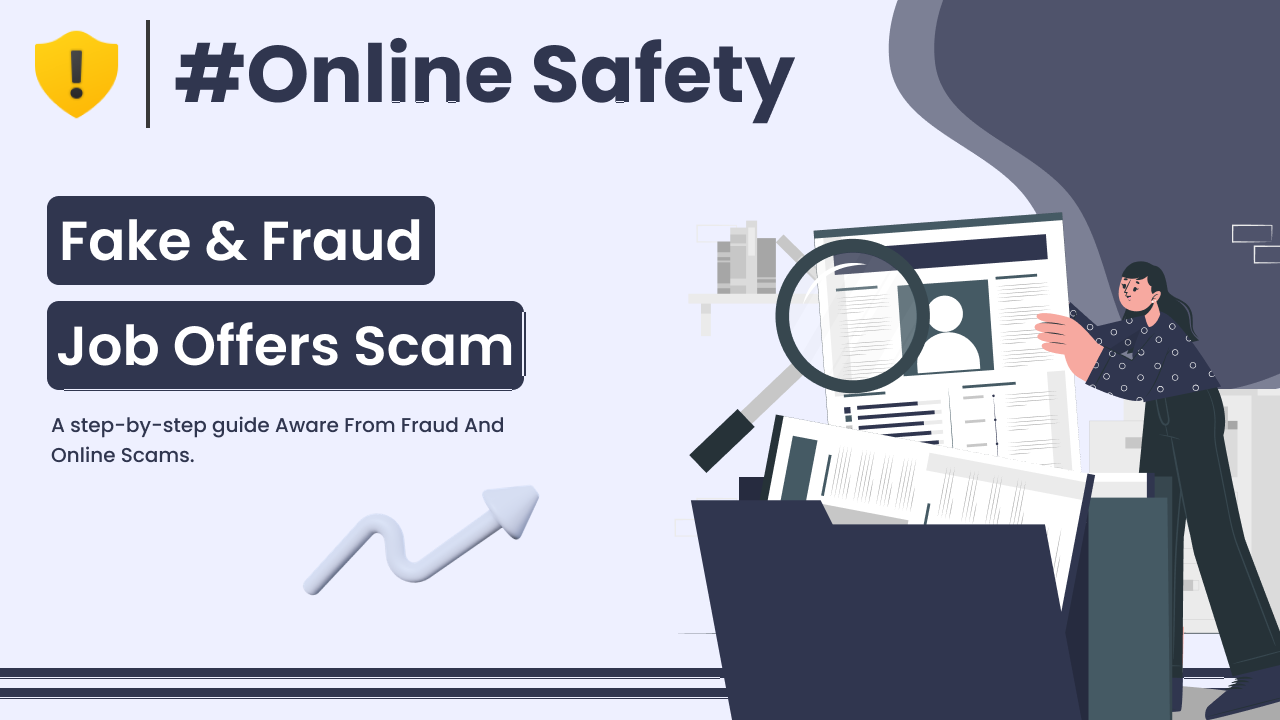
Looking for a job online has become normal. Many people apply through job portals, social media, and company websites every day. But along with real opportunities, fake job offer scams are also increasing.
These scams target students, fresh graduates, unemployed individuals, and even experienced professionals. Scammers promise high salaries, easy work-from-home jobs, or quick hiring. Their goal is usually to steal money or personal information.
In this article, we will clearly explain fake job offer scams, how they work, common warning signs, real-life examples, and how you can protect yourself.
What Are Fake Job Offer Scams?
Fake job offer scams are fraudulent schemes where scammers pretend to offer employment. The job does not exist, but the scammer tries to:
- Collect money for “processing fees”
- Steal personal documents
- Get bank details
- Gain access to your accounts
These scams often happen through email, messaging apps, and social media platforms like LinkedIn and Facebook.
Scammers may even use the names of well-known companies such as Amazon or Google to make the offer look real.
How Fake Job Offer Scams Work (Step-by-Step)
Understanding the process helps you recognize the danger early.
Step 1: Unexpected Job Offer
You may receive:
- An email offering a job you never applied for
- A message saying your resume was “selected”
- A social media message offering high pay
Often, the message sounds urgent and exciting.
Step 2: Quick Interview or No Interview
Scammers may:
- Skip interviews completely
- Conduct a short chat interview through messaging apps
- Ask basic questions that do not relate to real job roles
Real companies usually have structured hiring processes.
Step 3: Request for Money or Documents
This is the most important red flag.
They may ask for:
- “Registration fees”
- “Training fees”
- “Security deposits”
- Payment for equipment
- Visa processing fees
They may also request:
- Passport copy
- Bank account details
- Aadhaar or Social Security number
- OTP codes
Legitimate employers do not charge money to hire you.
Step 4: Disappearance
After receiving money or documents, scammers:
- Stop replying
- Block your number
- Delete their profile
- Shut down the fake website
At this point, recovering the money becomes difficult.
Common Warning Signs of Fake Job Offer Scams
Let’s look at the most common red flags.
You Are Asked to Pay Money
This is the biggest warning sign.
Real employers:
- Pay you.
- Do not charge you.
If someone asks for:
- Interview fees
- Processing fees
- Background verification fees
- Laptop shipping fees
It is almost certainly a scam.
The Salary Is Unrealistically High
Scammers attract victims with offers like:
- “Earn $5,000 per week from home.”
- “No experience required, high salary.”
- “Part-time job, full-time income.”
If the pay sounds too good compared to the work required, be cautious.
No Official Email Address
Legitimate companies use official domain emails such as:
Scammers often use:
- Gmail
- Yahoo
- Outlook
For example, a real company like Google would not send hiring emails from a free Gmail address.
Poor Grammar and Spelling
Many scam messages contain:
- Grammar mistakes
- Strange formatting
- Random capital letters
- Unprofessional language
Professional HR teams usually communicate clearly and formally.
Pressure to Act Quickly
Scammers create urgency.
They may say:
- “Limited positions available.”
- “Pay within 24 hours.”
- “Immediate joining required.”
This pressure is meant to stop you from verifying the offer.
No Clear Job Description
A real job offer includes:
- Job role
- Responsibilities
- Required skills
- Work location
- Company details
If the message is vague and only focuses on salary and quick joining, be careful.
Fake Company Websites
Some scammers create fake websites that look real.
They may copy logos and images from trusted brands like Amazon.
However, warning signs include:
- Recently created domain
- No proper contact information
- No real office address
- No company history
You can search the company name along with the word “scam” to see if others have reported fraud.
You can also read about employment-related fraud prevention from reliable sources like the <a href=”https://www.consumer.ftc.gov/” target=”_blank” rel=”noopener”>Federal Trade Commission (FTC)</a>.
Real-Life Example
Imagine you receive a message:
“Congratulations! You have been selected for a work-from-home data entry job. Salary: $3,000 per month. No interview required.”
They then ask you to pay $100 for “training software.”
You transfer the money.
After that:
- They stop replying.
- The website disappears.
- The contact number becomes unreachable.
The job never existed.
Types of Fake Job Offer Scams
Fake job scams can take different forms.
Work-From-Home Scam
Scammers promise flexible remote work with high income. They may ask you to:
- Pay for registration
- Buy fake training material
- Purchase starter kits
Overseas Job Scam
You are offered a foreign job with high salary.
They ask for:
- Visa processing fees
- Travel expenses
- Document verification fees
After payment, the offer disappears.
Government Job Scam
Scammers pretend to offer government positions and ask for exam or processing fees.
Always verify such jobs through official government websites.
Why People Fall for Fake Job Offer Scams
Understanding the psychology helps prevent mistakes.
People may fall for scams because:
- They urgently need a job.
- They trust brand names.
- They feel excited about quick success.
- They panic when pressured.
Scammers take advantage of emotions like hope and fear.
How to Protect Yourself
Now let’s focus on prevention.
Research the Company
Before accepting any offer:
- Visit the official company website.
- Check if the job is listed there.
- Verify contact details.
If unsure, call the official number from the website.
Never Pay to Get Hired
Remember this simple rule:
If you must pay money to get a job, it is not a real job.
Do Not Share Sensitive Documents Immediately
Avoid sending:
- Passport copies
- Bank details
- Government ID numbers
Only share documents after verifying the employer through official channels.
Use Trusted Job Platforms Carefully
Platforms like LinkedIn can be useful, but scammers also create fake profiles there.
Check:
- Recruiter profile history
- Company page authenticity
- Mutual connections
Report Suspicious Offers
If you receive a fake job offer:
- Report it on the platform.
- Inform local cybercrime authorities.
- Warn others.
Reporting helps reduce scams.
Why Awareness Matters
Fake job offer scams can cause:
- Financial loss
- Identity theft
- Emotional stress
- Loss of confidence
For students and fresh graduates, such scams can be especially harmful.
Being informed is your first defense.
Final Summary
Fake job offer scams are increasing in the digital world. Scammers promise high salaries, quick hiring, and easy work to attract victims.
Key warning signs include:
- Asking for money
- Unrealistic salary offers
- No official email address
- Poor grammar
- Pressure to act quickly
- Vague job descriptions
Always research the company, never pay to get hired, and verify offers carefully.
A real job opportunity will not demand money or rush you into making decisions. Taking a few extra minutes to verify can save you from serious loss.
Stay cautious, stay informed, and make decisions calmly.