 admin@technicalrvijay.com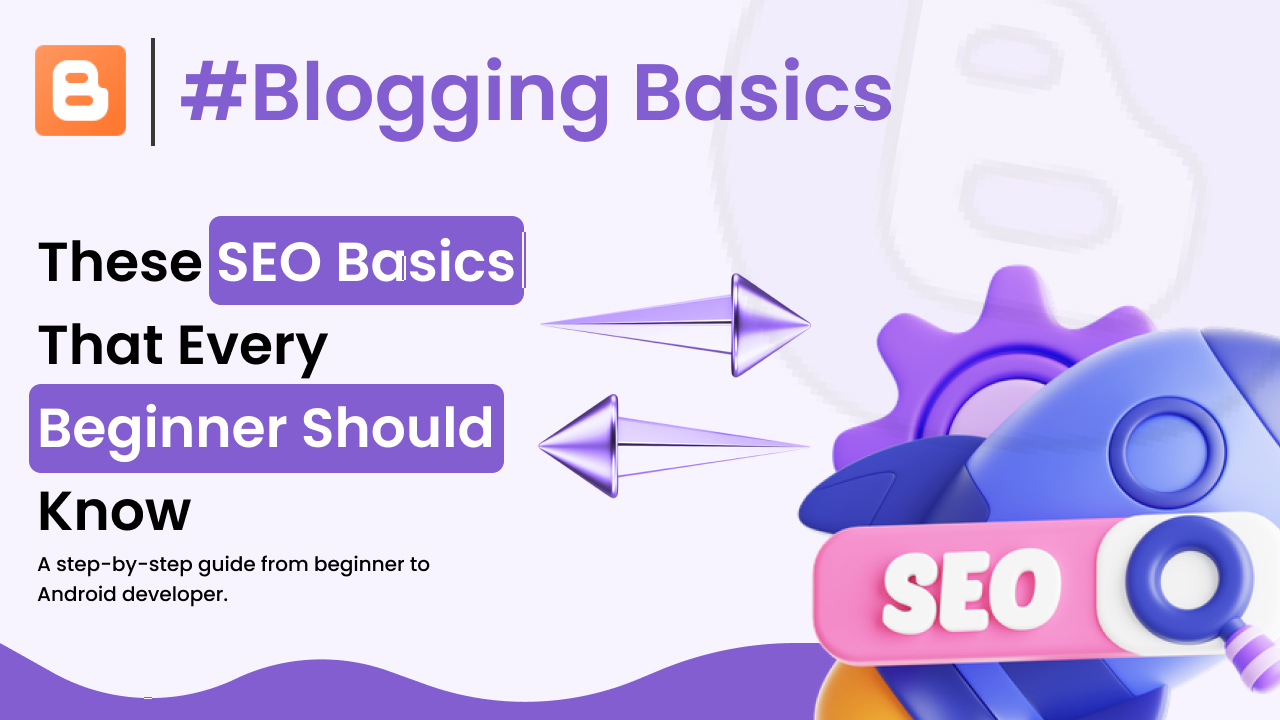
If you have started a blog or website, you have probably heard the term SEO many times. But what exactly is SEO, and why is it important?
SEO stands for Search Engine Optimization. It is the process of improving your website so that it appears higher in search engine results like Google. Understanding the SEO basics every beginner should know can help you attract organic traffic and grow your website steadily.
In this guide, we will break down SEO into simple, practical steps that beginners can understand and apply.
What Is SEO in Simple Words?
SEO is the process of making your website easier for search engines to understand and rank.
When someone searches for information, search engines scan their index and show the most relevant and helpful results.
Google explains how its search system works here:
https://developers.google.com/search/docs/fundamentals/how-search-works
Your goal with SEO is simple:
Help search engines understand your content and show it to the right audience.
Why SEO Is Important for Beginners
Without SEO, even high-quality content may not get traffic.
SEO helps you:
- Get free organic traffic
- Reach people searching for your topic
- Build long-term visibility
- Increase website credibility
Unlike paid ads, SEO can bring consistent traffic over time.
1. Understanding Search Intent
Search intent means understanding why someone searches for something.
There are four main types:
Informational Intent
Users want information (e.g., “what is blogging”).
Navigational Intent
Users want to visit a specific website.
Transactional Intent
Users want to buy or take action.
Commercial Investigation
Users compare options before deciding.
Matching your content with search intent is one of the most important SEO basics.
2. Keyword Research Basics
Keywords are the words or phrases people type into search engines.
For example:
- “how to start a blog”
- “phone slow fix”
Beginner Tips for Keyword Research
- Focus on specific topics
- Target long-tail keywords (longer phrases)
- Avoid highly competitive keywords at the beginning
Do not stuff keywords repeatedly. Use them naturally in:
- Title
- First paragraph
- Headings
- Body content
3. Proper Use of Headings (H1, H2, H3)
Headings help both users and search engines understand structure.
H1
Used only once for the main title.
H2
Used for main sections.
H3
Used for sub-sections under H2.
Proper heading structure improves readability and SEO performance.
4. Writing High-Quality Content
Search engines prioritize helpful content.
High-quality content:
- Answers questions clearly
- Uses simple language
- Is well-structured
- Avoids misleading claims
Google emphasizes helpful content in its guidelines:
https://developers.google.com/search/blog/2022/08/helpful-content-update
Always write for real users first, not just search engines.
5. On-Page SEO Basics
On-page SEO refers to optimizing elements within your website.
Important on-page elements include:
Title Tag
Clear and keyword-focused.
Meta Description
A short summary encouraging users to click.
URL Structure
Simple and readable URLs are better.
Example:
yoursite.com/seo-basics
Internal Linking
Link to related articles within your website.
Internal linking:
- Improves navigation
- Helps search engines crawl pages
- Increases time on site
6. Mobile-Friendliness
Most users browse using mobile devices.
Your website should:
- Load properly on phones
- Have readable fonts
- Avoid layout issues
Mobile optimization is essential for ranking.
7. Page Speed Matters
Slow websites lose visitors quickly.
Improve page speed by:
- Compressing images
- Using lightweight themes
- Avoiding unnecessary plugins
Fast-loading pages improve user experience and SEO.
8. Backlinks and Authority
Backlinks are links from other websites to your site.
Search engines treat backlinks as trust signals.
However:
- Quality matters more than quantity
- Avoid spammy link-building tactics
Focus on creating content that others naturally want to reference.
9. Technical SEO Basics
Technical SEO ensures your website is accessible to search engines.
Basic technical elements include:
- Secure HTTPS connection
- XML sitemap
- No broken links
- Clean navigation
You do not need advanced knowledge at the beginning, but basic setup helps.
10. Consistency and Patience
SEO does not produce instant results.
It usually takes:
- Weeks to see movement
- Months for steady growth
Consistency in publishing helpful content improves rankings over time.
Common SEO Mistakes Beginners Make
Keyword Stuffing
Overusing keywords harms readability and ranking.
Copying Content
Duplicate content reduces trust and visibility.
Ignoring User Experience
Poor layout and cluttered pages reduce engagement.
Expecting Immediate Results
SEO requires patience and steady improvement.
How to Improve SEO Step by Step
- Choose one topic
- Research related keywords
- Write helpful content
- Use proper headings
- Add internal links
- Improve page speed
- Update old content
Small improvements over time lead to better results.
Final Thoughts
Understanding the SEO basics every beginner should know gives you a strong foundation for building a successful website.
SEO is not about shortcuts or tricks. It is about:
- Providing useful content
- Structuring your pages clearly
- Matching user intent
- Improving user experience
When you focus on helping users, search engine rankings naturally improve over time.
Consistency, clarity, and patience are the real keys to SEO success.